
Local Knowledge Brings Kotor Bay to Life
Kotor Bay has layers of history, culture, and tradition that don’t always reveal themselves at first glance. A local guide or host doesn’t just recite dates and facts; they tell stories passed down through generations. They’ll explain why the bells of Kotor ring the way they do, how Perast became a town of sailors and captains, and what daily life was like behind the fortified walls centuries ago.
Whether you’re wandering through Kotor’s Old Town, climbing the ancient fortress trail, or visiting a tiny church on a bay-side island, locals provide context that no guidebook can match. They know the quiet shortcuts, the best times to visit popular sites, and the hidden corners tourists usually miss. Instead of feeling like a spectator, you become part of the story.
Authentic Food Tells the Real Story of the Bay
Kotor Bay’s cuisine is deeply rooted in its geography and history, blending Adriatic seafood with mountain influences and Mediterranean simplicity. Choosing local restaurants and konobas (traditional taverns) means tasting dishes made the way they’ve been prepared for generations.
Fresh mussels from the bay, grilled sea bream caught that morning, black risotto made with cuttlefish ink, and slow-cooked lamb under the bell (peka) all taste different when they’re made by families who have perfected these recipes over decades. Local hosts will often tell you where the olive oil comes from, which fisherman brought in the catch, or why a certain dish is served only at specific times of year.
In contrast, tourist-oriented menus tend to play it safe. Going local rewards you with flavors that are honest, seasonal, and unmistakably Montenegrin.
Small Businesses Protect the Character of the Bay
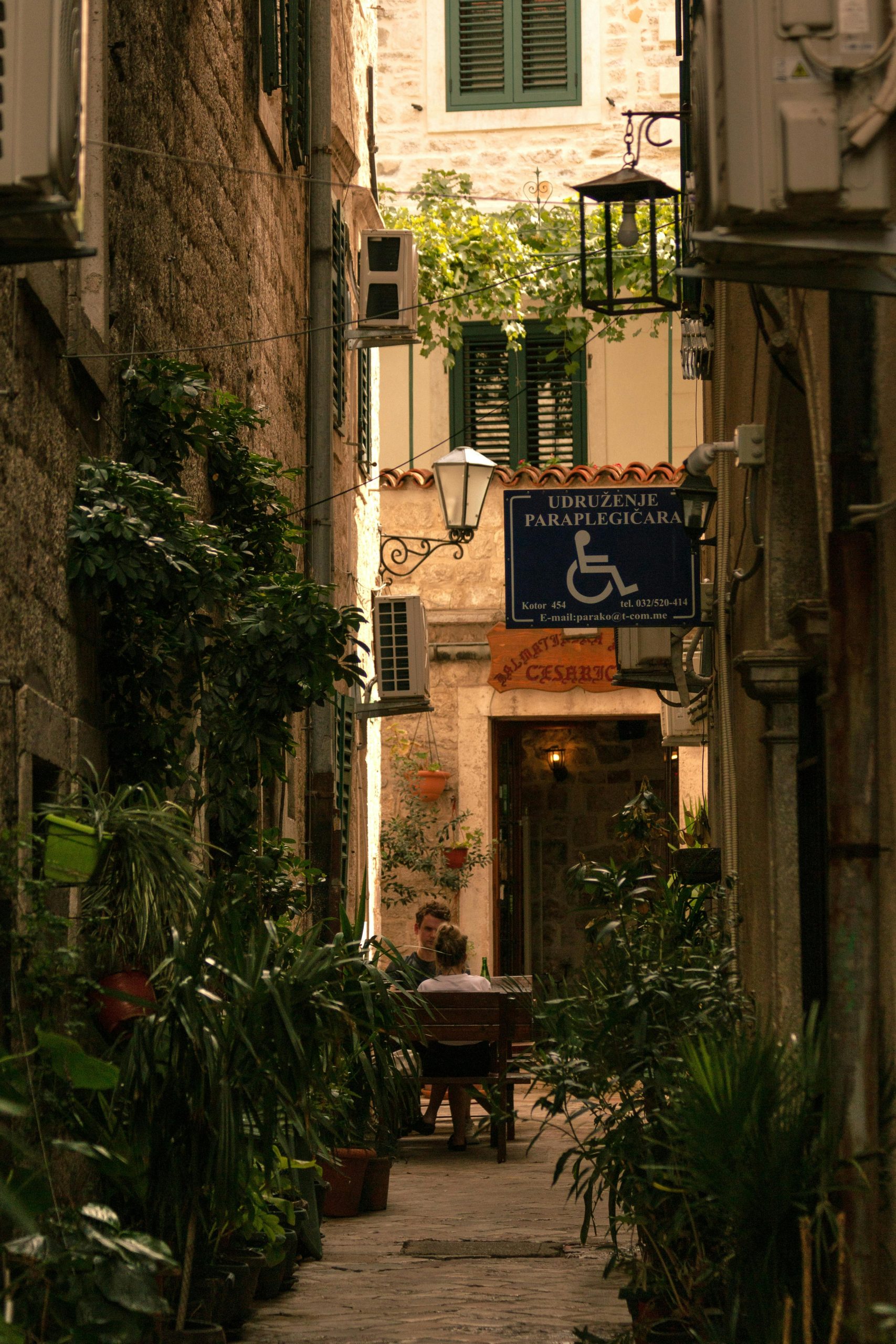
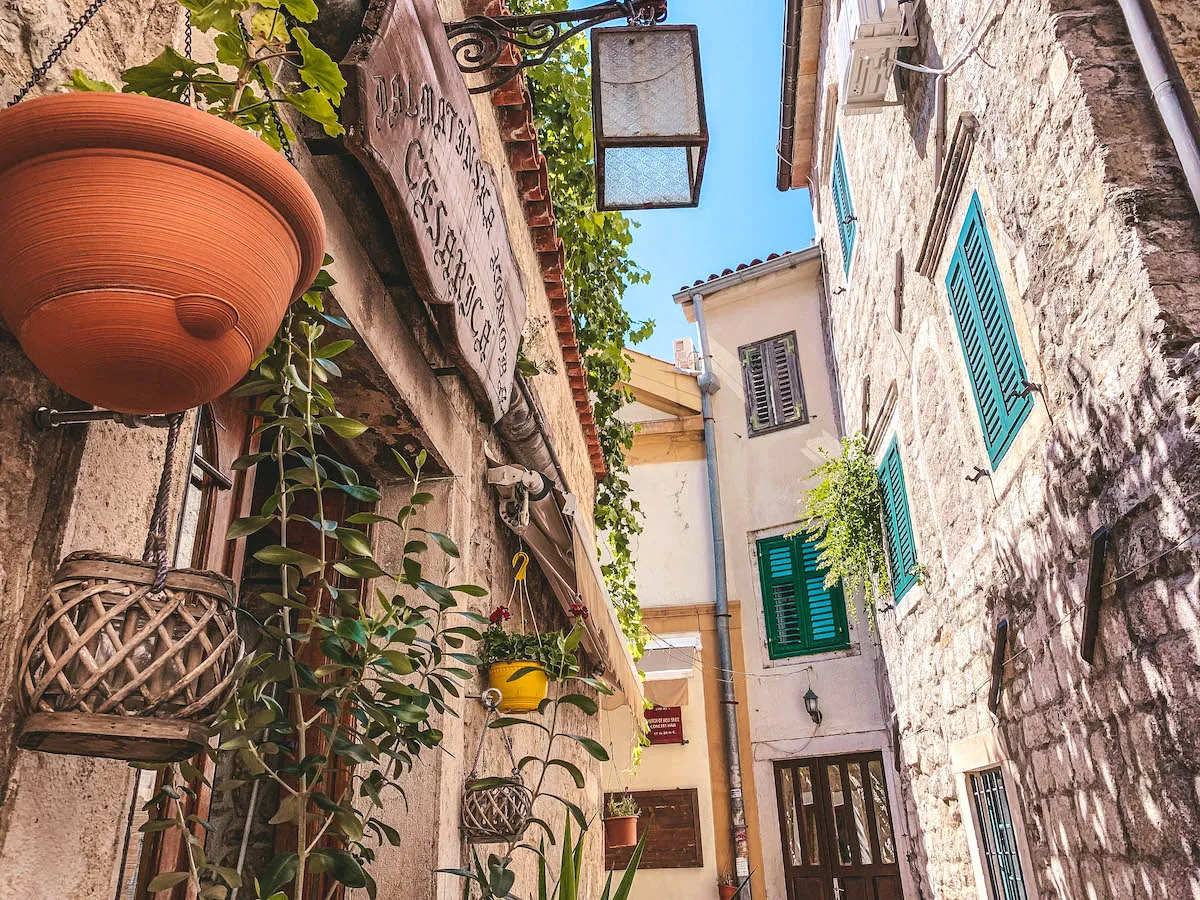
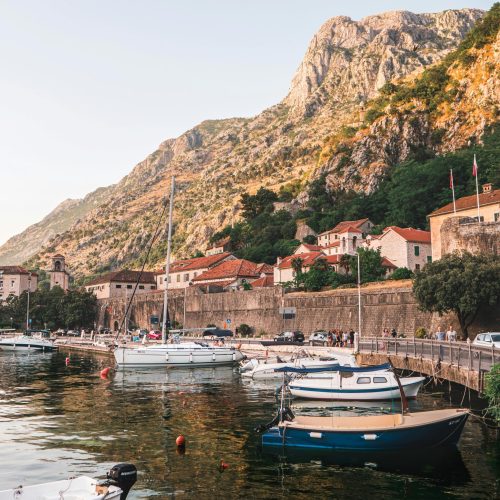
Kotor Bay’s charm lies in its scale: stone houses with green shutters, tiny harbors, and villages where life still moves at a human pace. Local businesses—family-run guesthouses, independent boat captains, small shops, and artisans—are the guardians of this character.
When you choose local, your money stays in the community. It helps families maintain historic homes, keep traditional crafts alive, and resist the pressure to turn the bay into a generic resort destination. You’re directly supporting sustainable tourism rather than feeding a system that prioritizes volume over value.
This matters in a place as fragile and historic as Kotor Bay. Choosing local is a small decision that has a long-term impact on preserving what makes the bay special in the first place.
Experiencing the True Spirit of Kotor Bay
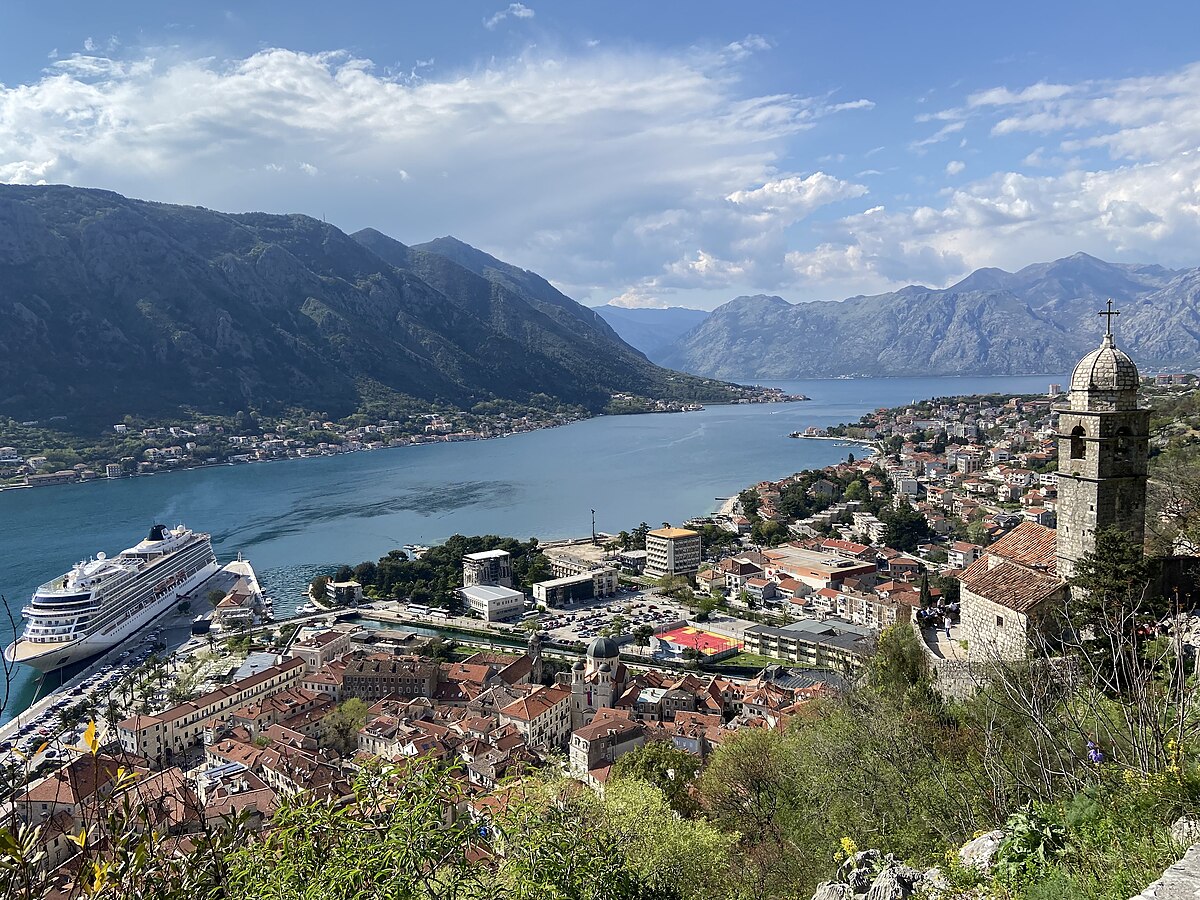
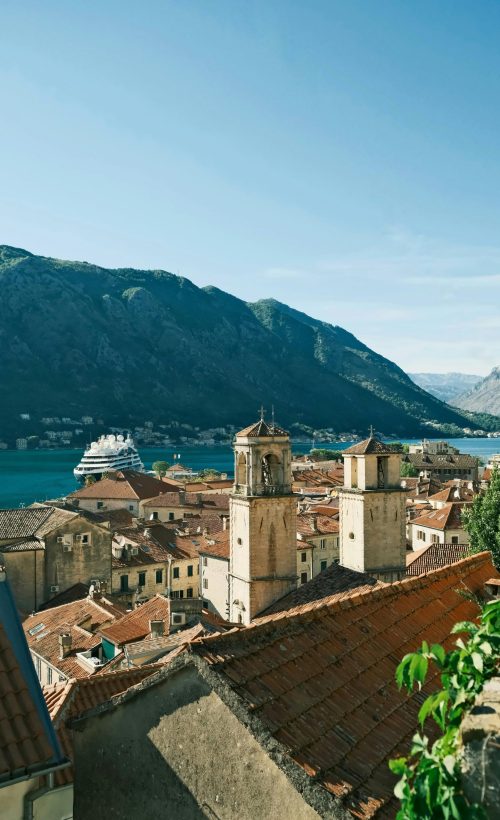
Kotor Bay isn’t just a place you visit—it’s a place you experience. Framed by dramatic limestone mountains and dotted with medieval towns, quiet villages, and shimmering blue water, this corner of Montenegro has an almost cinematic beauty that feels both grand and intimate at the same time. The bay’s fjord-like shape, calm waters, and centuries-old settlements create a setting where history and nature exist in perfect balance.
But how you choose to experience it matters just as much as where you go. While international chains and mass-tourism excursions are increasingly visible, especially during the high season, they often skim the surface of what makes this place special. Choosing local—local guides, family-run restaurants, small boat operators, and artisan producers—allows you to slow down, connect more deeply, and see the bay through the eyes of the people who call it home. It’s the difference between simply passing through Kotor Bay and truly understanding its rhythm, traditions, and soul.
Traveling locally also encourages a more mindful pace, where mornings begin with coffee by the water, afternoons unfold without rush, and conversations replace checklists. In Kotor Bay, these quieter moments often reveal the deepest sense of place, turning a beautiful destination into a genuinely meaningful journey.
Here are five compelling reasons why going local is the best way to explore Kotor Bay.
Local Experiences Are More Personal and Flexible
One of the biggest advantages of choosing local is how personal the experience becomes. A locally run boat tour might stop at a secluded swimming spot because the captain knows the water is calm there today. A local guide may adjust a walking tour based on your interests, spending more time on history, architecture, or daily life depending on what excites you most.
There’s also a warmth and spontaneity that comes with local hospitality. Conversations flow easily. Recommendations aren’t scripted—they’re genuine. You might be invited to try homemade rakija, learn a few Montenegrin phrases, or hear personal memories of how the bay has changed over time.
These are the moments that make Kotor Bay feel real rather than staged. Choosing local opens the door to experiences that don’t fit neatly into an itinerary but often become the highlights you talk about long after you’ve gone home.
You Discover the Bay Beyond the Postcards
Most visitors see the same handful of highlights: Kotor’s Old Town, the fortress viewpoint, and maybe a quick stop in Perast. Locals, however, know the bay in its entirety, shaped by everyday life and seasonal rhythms passed down through generations.
They’ll point you toward quiet villages like Prčanj or Stoliv, where laundry still hangs between stone houses and the water laps gently at church steps. They’ll recommend lesser-known hiking paths with sweeping views, peaceful beaches away from cruise crowds, or cafés where locals linger for hours over coffee, sharing stories and watching the world drift by.
Choosing Local Is Choosing Meaning
Kotor Bay rewards travelers who slow down, stay curious, and look beyond the obvious. By choosing local, you’re not just improving your own experience—you’re helping preserve the soul of one of the Adriatic’s most beautiful regions.
You’ll eat better, learn more, connect deeper, and leave with a genuine understanding of the bay and its people. In a place as rich and intimate as Kotor Bay, that kind of travel isn’t just better—it’s essential.